CEO’s Review:
Reliable maritime links in a changing Europe
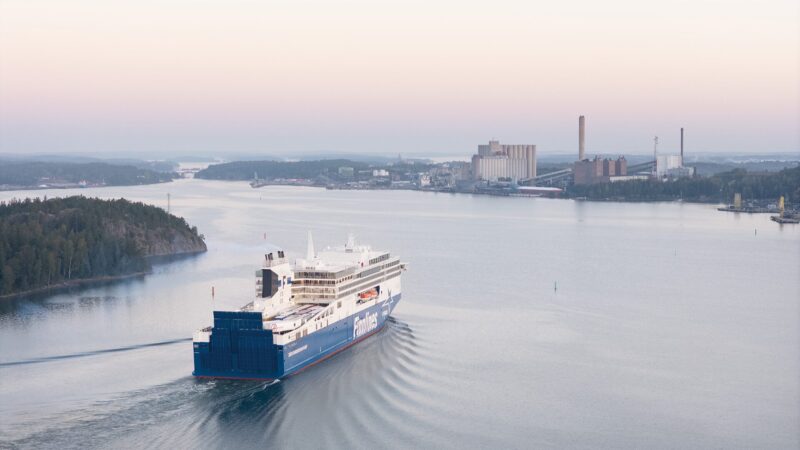
Finnlines has a strong position as a reliable logistics operator and a challenger in passenger traffic in the Baltic Sea region. We connect markets and people, and ensure smooth and dependable sea connections under all conditions. Our role is essential both for the functioning of the regional economy and for security of supply.
Our social responsibility is reflected in our daily operations and transport volumes. In 2025, we carried approximately 788,000 cargo units, 71,000 cars and an additional 1,113,000 tonnes of non-unitised freight. In addition, we served more than one million passengers in private and freight-related traffic. These volumes demonstrate Finnlines’ significant role in supporting regional supply chains and industrial competitiveness.
Sustainable operations are enabled by our modern, ice-strengthened fleet. With 18 vessels, Finnlines connects the Baltic Sea region with Europe, providing daily capacity for both freight customers and passengers.
Financial performance
From a financial perspective, 2025 was a stable year for Finnlines. Revenue amounted to EUR 713.5 million, and the company’s financial position remained strong. The rationalisation of the ro-ro fleet and investments in passenger traffic laid the foundation for a satisfactory result. The
Finnlines Group’s result in 2025 amounted to EUR 67.2 million.
Finnlines is well positioned to seize new opportunities as they arise, while also being well prepared for a potentially prolonged period of uncertainty.
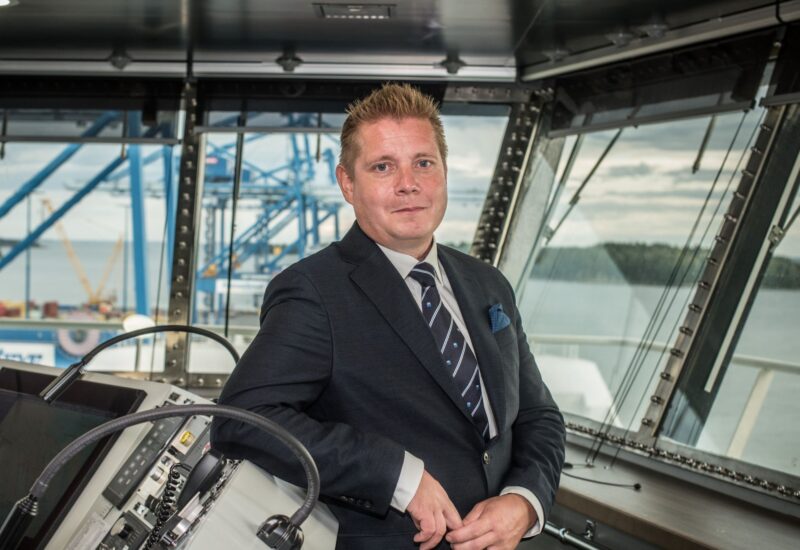
“We will ensure that trade and industrial transport flows remain reliable even under changing conditions.”
– Thomas Doepel, President and CEO
Changing business environment and regulatory impacts
While we continue to develop our services, capacity and route network, the business environment in Europe is undergoing structural change. As regulations tighten and sustainability requirements accelerate, Finnlines’ role as a provider of critical maritime logistics infrastructure will become even more pronounced. We will ensure that trade and industrial transport flows remain reliable even under changing conditions.
The inclusion of shipping in the EU Emissions Trading System (EU ETS) and the entry into force of the FuelEU Maritime regulation mark a new era for the industry. We see these developments not only as regulatory obligations but also as drivers of innovation and development, guiding the entire sector towards lower-emission transport solutions.
The IMO’s decision last October to postpone consideration of the Net-Zero Framework adds uncertainty to shipping’s green transition. Nevertheless, Finnlines remains firmly committed to achieving its own environmental targets.
Operational focus and network development
During the year, the focus was on fleet optimisation, route profitability and responsible growth. Finnlines continued to strengthen its competitiveness in the Baltic Sea and North Sea markets by developing its route network and adding a weekly departure from Gdynia, Poland, to the North Sea & Biscay line.
This enhances our services and offers customers in Poland a direct link to the Grimaldi Group’s global network.
Long-term investments and sustainability performance
Finnlines has responded to changes in the business environment through long-term and determined investments. Over the past two decades, the company has invested nearly EUR 2 billion in fleet renewal, improved energy efficiency and reduced environmental impacts. Our latest vessels have significantly improved fuel efficiency and reduced emissions, while maintaining high capacity utilisation and operational reliability.
Finnlines’ fleet carbon intensity decreased by 14 per cent when compared with 2024. Compared with 2008, which is used as the baseline year in shipping, the company has already achieved the 40 per cent reduction target set for 2030 ahead of schedule. Work continues along the same path, and the company remains committed to a 2 per cent annual reduction in carbon intensity.
Sustainability measures are also visible to customers through practical solutions. Launched in 2025, the Green Lane service offers options for reducing transport emissions through the use of electricity and biofuels. At the same time, we are preparing for the next phase of technological development, as Finnlines has ordered three new ro-pax vessels capable of operating on methanol, strengthening our ability to offer low-emission transport solutions in the coming years. These vessels will enter service in 2028–2029.
Personnel and customer experience as the foundation of success
While vessels, technology and innovation are essential, Finnlines’ most important asset is its people. Our skilled and committed employees, both at sea and on shore, enable safe, smooth and continuously developing operations. A dedicated workforce is a prerequisite for customer satisfaction and the company’s long-term success.
Our customers are at the heart of our operations. We serve a broad customer base ranging from industry and logistics to individual passengers. Investments in the fleet, route network and digital services support our customers’ evolving needs and strengthen our value proposition. Customer satisfaction has remained at a high level, and, in particular, the Superstar class vessels on the Finland–Sweden route, together with their crews, have received excellent feedback.
Looking ahead
The results of the past year provide a strong foundation for future development. Finnlines’ strategy is based on long-term fleet investments, operational efficiency, sustainability and close cooperation with customers, authorities and partners. The company’s owner, the Grimaldi Group, the world’s largest ro-ro and ro-pax operator, provides Finnlines with a solid foundation and significant growth opportunities.
With the support of a strong owner, Finnlines can continue to make investments that promote responsible shipping and support economic growth, environmental responsibility and security of supply in the Baltic Sea region.
Finnlines’ success is built on skilled and committed employees, trusting customers and long-term partnerships. I would like to thank all our stakeholders for their cooperation, trust and commitment. Together, we are building a sustainable future for maritime transport and passenger travel.
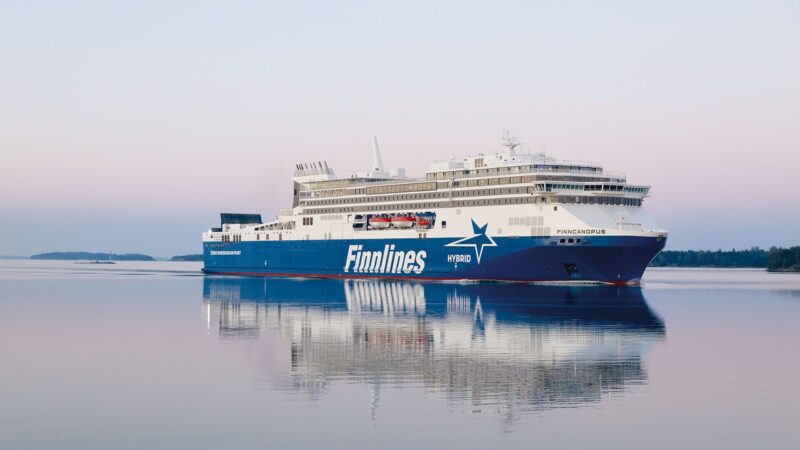
Key figures 2025
Highlights 2025