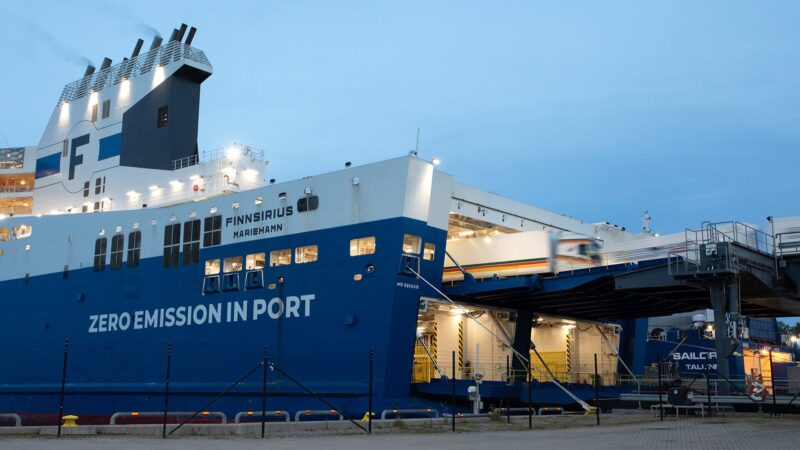
Training for the unexpected
A well-trained crew and a shore-based organisation together with clearly defined contingency plans are at the core of Finnlines’ safety work.
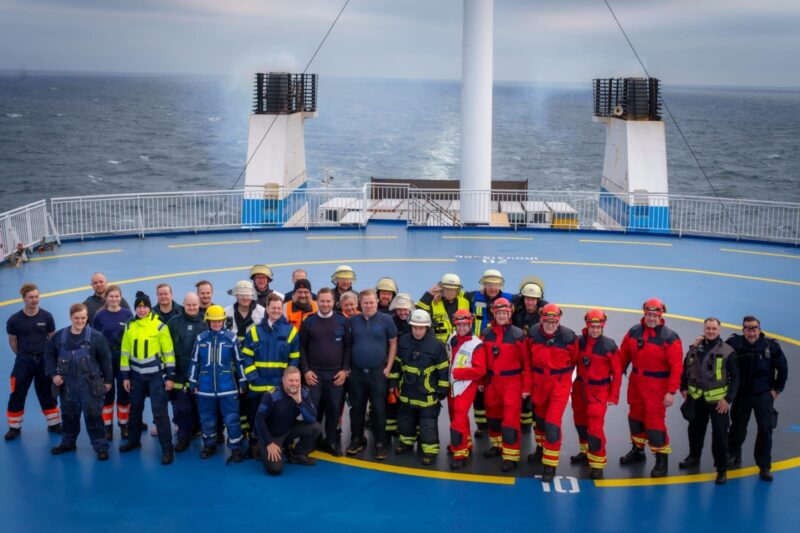
Safety is one of the most critical aspects of shipping. Regulatory compliance requires regular emergency drills and exercises that test operational efficiency, onboard safety and emergency response capabilities.
The ship’s captain holds overall responsibility for safety on board, while all crew member has assigned duties within the ship’s emergency organisation, such as firefighting, passenger evacuation and first aid.
To further enhance skills, drills simulate real-life incidents and include practical elements as dressing the proper outfit, checking equipment, testing alarm systems and communication and launching and manoeuvring lifeboats.
The crew also practices special scenarios together with authorities including rescue services and border guard.
Compliance, drills and continuous improvement
Maritime authorities regularly inspect and audit the ships, their equipment and crew. The shore-based organisation is prepared to support vessels in accordance with established contingency plans. Regular emergency drills are also conducted at Finnlines’ onshore offices, providing opportunities to test and improve emergency response procedures.
Throughout the year, numerous drills are carried out in cooperations with various authorities. The scope and execution of these drills are agreed upon in joint coordination meetings.
In addition to safety drills, regular inspections and forward planning help ensure continuous safety improvements. Finnlines is constantly developing its operations with Ship Management and the Safety Department playing an active role. New tools for the vessels are under continuous development – and this year has been no exception.

Market dynamics in the Baltic Sea
Green News: Shipping’s net-zero ambition delayed: IMO pushes framework decision to 2026

Bridging seas and minds: Swiss students set sail with Finnlines

Cruises for those who don’t like cruises
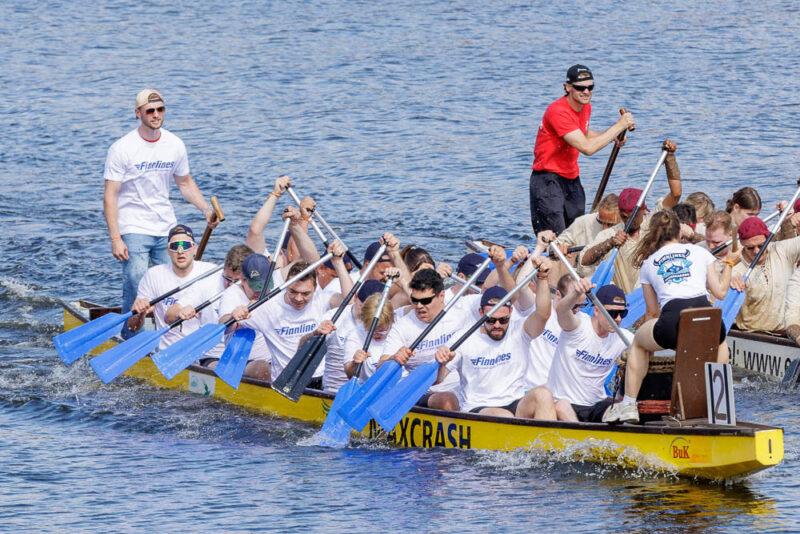
Finnlines Icebreakers raced through the waves of the Trave River
The digital customer experience travels with freight trucks and trailers
Editorial 3/2025

Exploring the future of shipping
Luc Hens honoured for strengthening Finland–Belgium ties

Children’s Day at Work