Market dynamics in the Baltic Sea
The economic downturn has softened transport volumes since 2022 in the Baltic Sea. This year has been a long and impatient wait for positive signs in the European economy. While volumes have remained decent, they haven’t reached the levels hoped for. Nevertheless, maritime routes between Finland, Germany, Sweden and Poland remain busy and vital.

In addition to demand, geopolitical changes are shaping these routes. Sanctions on Russian cargo and the restructuring of energy markets have significantly altered traffic flows. Short-sea operators continue to adapt, modernise their operations and keep regional supply chains moving.
Poland has emerged as a major growth hub in the Baltic Sea region. Its developing rail connections support this growth and, together with maritime transport, offer a sustainable alternative to road traffic.
Ports are continuously investing to ensure smooth operations. Automation and digitalisation initiatives improve efficiency and support evolving customer needs.
Finnlines’ strengths include the ability to respond quickly to change, an agile organisation, an extensive route network and a modern fleet. Together, these enable us to meet our customers’ evolving requirements.
Sustainability as a competitive advantage
Environmental regulation is transforming short-sea shipping more rapidly than any other trend. The EU Emissions Trading System will cover maritime transport at 100% next year, and fuel requirements are tightening year by year. This creates both pressure and new opportunities for operators. Bio diesel, LNG, bio-LNG, methanol-ready solutions, as well as hybrid and battery vessels, are moving from trials into broader deployment.
Ports are expanding shore-power systems and preparing for the introduction of e-fuels. The Baltic Sea is increasingly becoming a testbed for so-called “green corridors”: routes on which ports, shipping companies and cargo owners pilot new methods to reduce emissions. This strengthens the region’s role as a frontrunner in sustainable shipping.
For Finnlines’ customers, this development is visible through the low-emission Green Lane transport option. Green Lane helps to achieve customers’ ambitious energy-saving targets. For Baltic Sea operators, sustainability is no longer merely about compliance but a clear competitive advantage and an integral part of brand positioning.
Looking ahead
We have entered a decisive decade. Shipping companies that can invest in low-emission vessels and digital tools and services will strengthen their market position. Smaller operators may seek partnerships, and the sector may experience consolidation due to rising regulatory costs.
Finnlines’ strengths lie in its solid financial position, its owned and modern fleet and its comprehensive route network, all supported by the broad capabilities of its owner, the Grimaldi Group.
Geopolitical realities continue to influence the region. Security considerations are part of everyday operations. GPS disruptions have been observed, and the risks posed by the “shadow fleet” are tangible. These disruptions are mitigated by navigation equipment that uses signals from multiple satellite systems. Situational awareness is enhanced through close cooperation with authorities, supporting proactive preparedness and comprehensive security.
Finnlines’ modern fleet uses the latest technology – partly from the same manufacturers supplying equipment to national defence forces – ensuring continuous technological development and reliable support.
One thing remains unchanged: the need for reliable maritime connections. As climate policy encourages a shift from road to sea and rail, and as ports continue to modernise, the interdependence between Finland, Germany, Sweden and Poland will inevitably deepen.
The future will be built through determined steps: cleaner fuels, smarter ports, stronger connections and the practical Nordic mindset that has long been the Baltic Sea region’s hallmark.
Editorial 3/2025

Children’s Day at Work

Exploring the future of shipping
Green News: Shipping’s net-zero ambition delayed: IMO pushes framework decision to 2026
Training for the unexpected
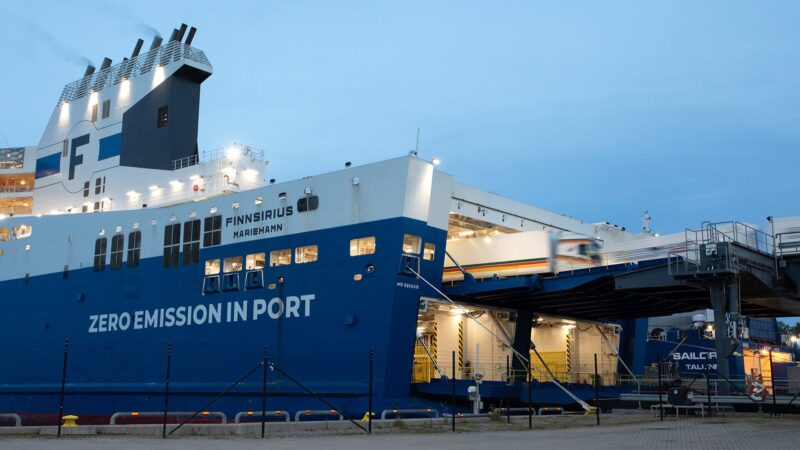
Gateway project drives Finnlines’ digital transformation in port operations
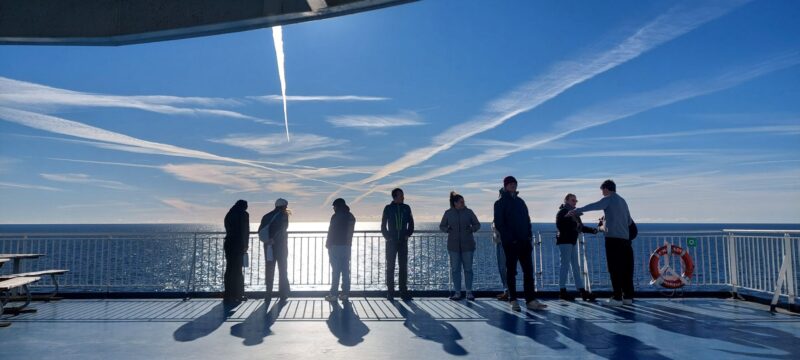
Bridging seas and minds: Swiss students set sail with Finnlines
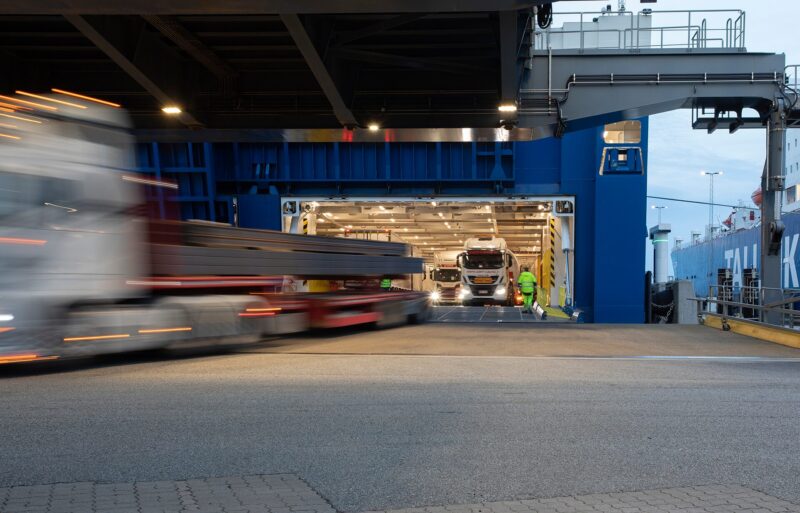
The digital customer experience travels with freight trucks and trailers
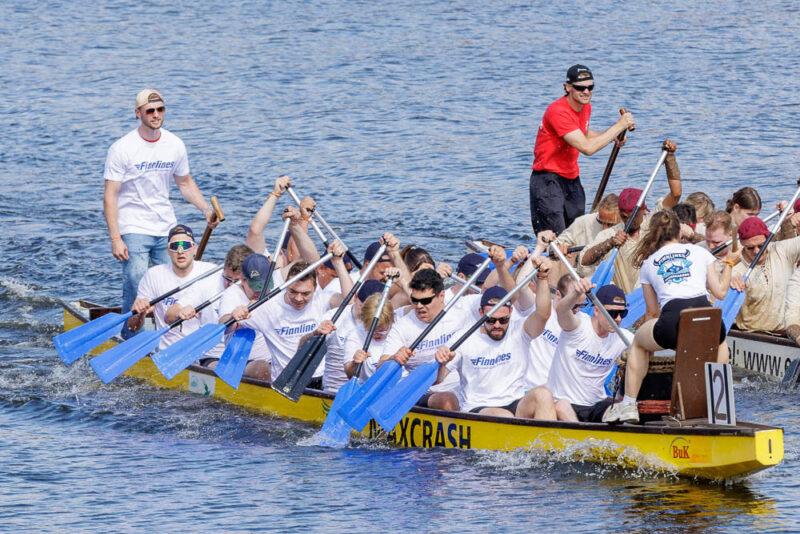
Finnlines Icebreakers raced through the waves of the Trave River

Cruises for those who don’t like cruises