
GREEN NEWS
Sustainability is a core element of our business. We have done a lot to ensure sustainability and worked hard to reduce our environmental effects. In the future, maritime decarbonisation will bring big changes into our operations and fleet. At the same time, we think small actions can make a big difference on climate change.
Shipping’s net-zero ambition delayed: IMO pushes framework decision to 2026
In April 2025, the Marine Environment Protection Committee (MEPC) of the International Maritime Organization (IMO) approved in principle the IMO Net-Zero Framework (NZF) as a major step toward implementing the IMO’s 2023 Strategy on the reduction of greenhouse gas emissions from ships.
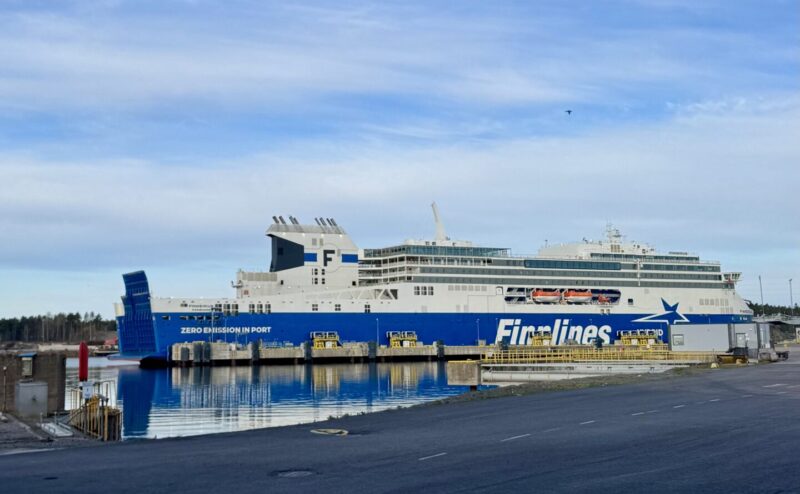
The framework was designed to include a global fuel standard that measures fuel GHG intensity, as well as a pricing and crediting mechanism to reward ships that perform well in terms of the fuel standard.
At the MEPC session in October 2025, Member States were unable to reach the required consensus for formal adoption and decided to postpone the decision by one year. In the meantime, technical work continues to refine the guidelines and rules for the framework. As a result of the postponement, the earliest possible entry into force is now expected on 1 March 2028.
Many companies, including Finnlines, would have welcomed the adoption of the NZF to ensure a globally even playing field for emission regulation and to provide greater clarity about the future regulatory environment on which to base greenhouse gas strategies. The delay in decision-making brings increased regulatory uncertainty for shipping companies, fuel producers, and ports. It also maintains current regulatory fragmentation, as existing regional schemes such as the FuelEU Maritime regulation and the EU Emissions Trading System create uneven compliance burdens across regions.
Despite the delay in the IMO’s decision-making, Finnlines remains firmly committed to reducing emissions, which continues to be one of our main strategic priorities. Through continuous investment in new, energy efficient vessels, retrofitting existing ships, adopting alternative fuels, and improving operational efficiency, Finnlines is maintaining a steady trajectory toward lower emissions and a more sustainable fleet in the years ahead.
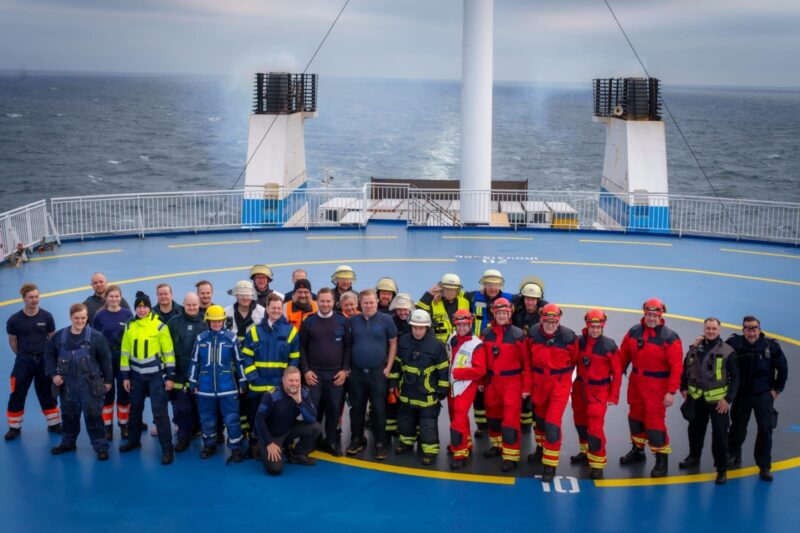
Training for the unexpected
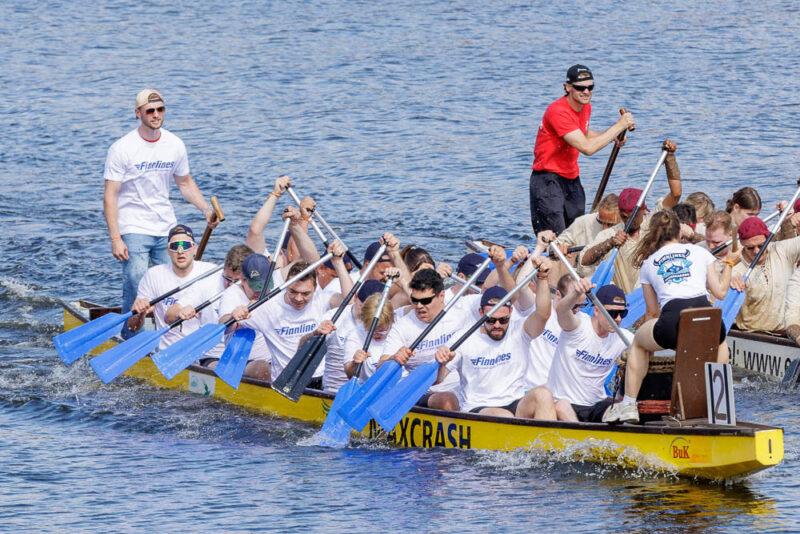
Finnlines Icebreakers raced through the waves of the Trave River
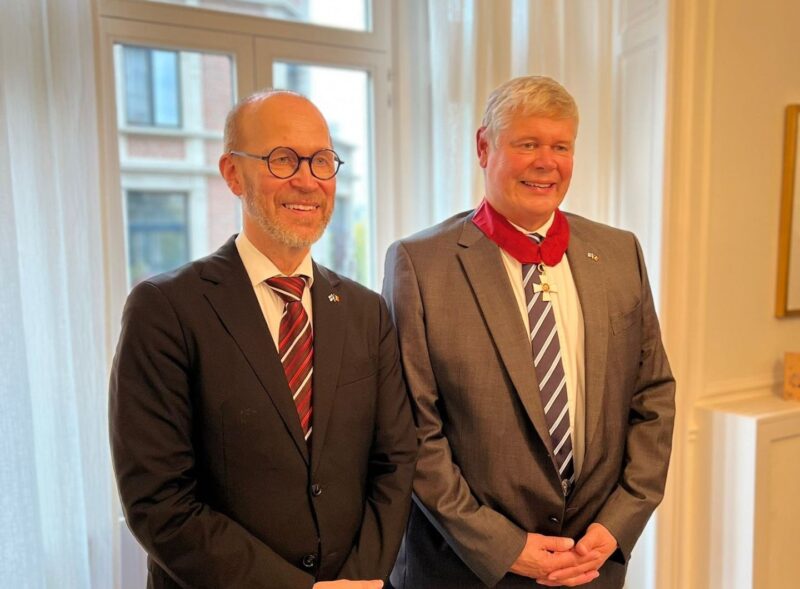
Luc Hens honoured for strengthening Finland–Belgium ties
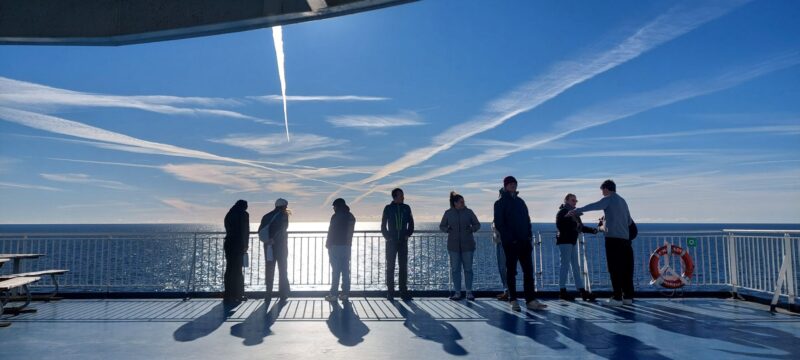
Bridging seas and minds: Swiss students set sail with Finnlines
Market dynamics in the Baltic Sea
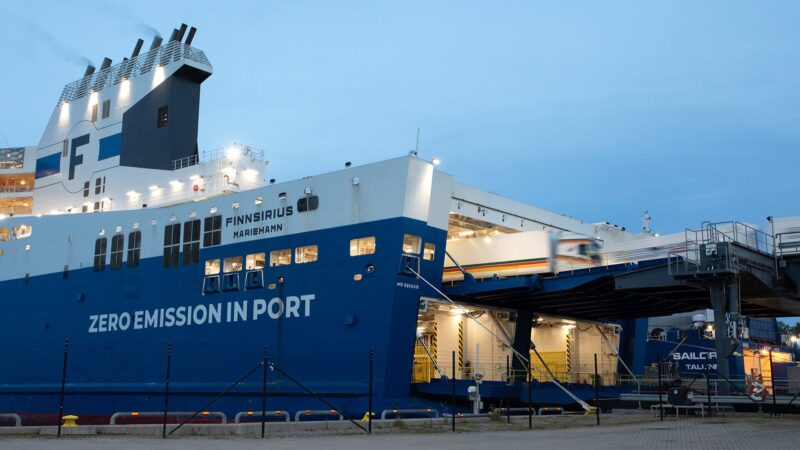
Gateway project drives Finnlines’ digital transformation in port operations
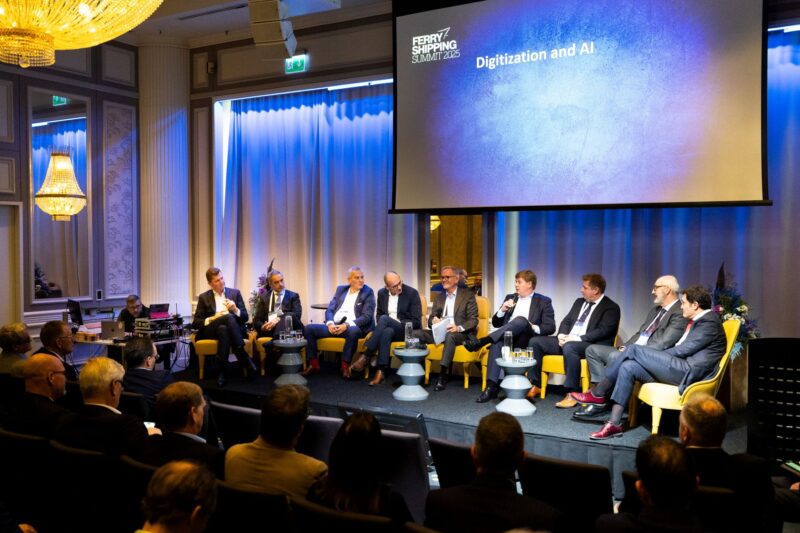
Exploring the future of shipping
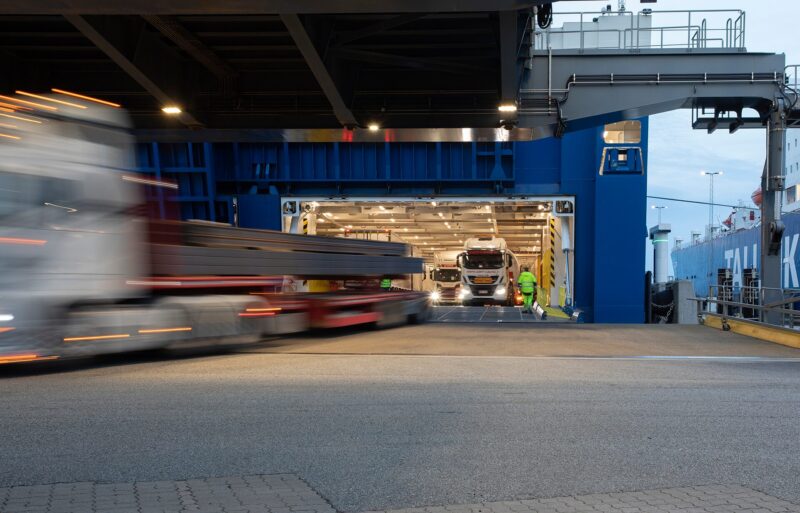
The digital customer experience travels with freight trucks and trailers

Cruises for those who don’t like cruises
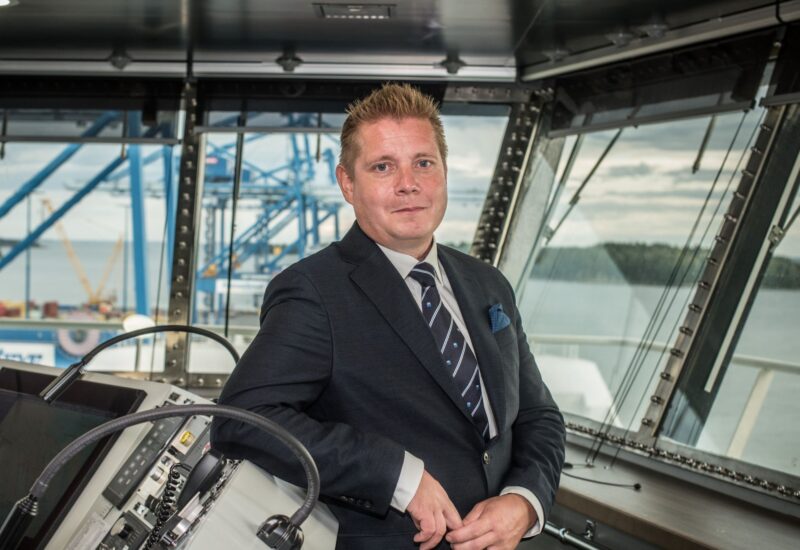
Editorial 3/2025