
The digital customer experience travels with freight trucks and trailers
It is important that businesses maintain their capacity and prerequisites for digital development. Digital innovation capabilities enable us to ensure fast development cycles, value creation, and efficiency as we manage our operations in a data-driven and agile manner.
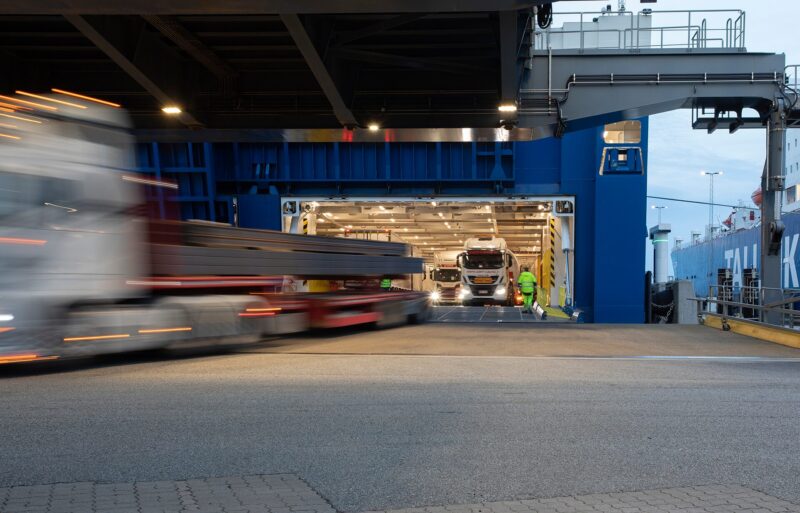
In the past, the most important and memorable part of the customer experience took place on board the ship and at the port. The most important factors were how the loading went, how the service at the gate was, and how communication worked.
Now, a significant part of the customer experience is created in the transport company’s own systems.
When the shipping company’s systems and the transport company’s systems communicate with each other, the customer’s daily life becomes easier, errors are reduced, and business runs smoothly. This sums up the essence of the digital customer experience on the freight side as well.
“Our operations are built on understanding and meeting our customers’ needs and expectations. We develop our services, both our core sea transport services and our digital applications, with the customer view at the forefront,” says Merja Kallio-Mannila, Commercial Director at Finnlines.
Digital development is important for maintaining competitiveness and cost-effectiveness. All stakeholders are developing their own services, and it is essential to keep up with this development. “We want our customers to continue choosing Finnlines in the future as well,” Merja continues.
Several operators in the industry have made impressive progress in advancing the digital customer experience. Finnlines and Finnsteve have also built a strong technological foundation and made strategic technology choices to support digital development. On this basis, the work to further enhance the Finnlines customer experience continues.
Customer chains and developing needs
When we talk about customers, we are actually referring to several different roles and functions within transport companies. In addition, the end customers of those companies are also part of our service value chain and customer base.
Customers have diverse expectations of digital services. “Expectations have changed over the past few years. Today’s customers expect, and even require, seamless digital services. That’s why we have taken all different user groups and their needs into account in our design process,” says Vesa Vähämaa, Head of Group IT Software at Finnlines.
For example, it is important for traffic coordinators who handle daily bookings that the booking and confirmation processes run quickly and without errors, and that available departures are visible in real time. Dispatchers, on the other hand, need to see schedules and any changes to them automatically and use the interface to connect the data to their own planning software. Drivers, in turn, benefit from easy gate access, mobile instructions, and smooth check-in. Finally, the end customers of transport companies are transparently involved throughout the process and can track the progress of shipments in real time.
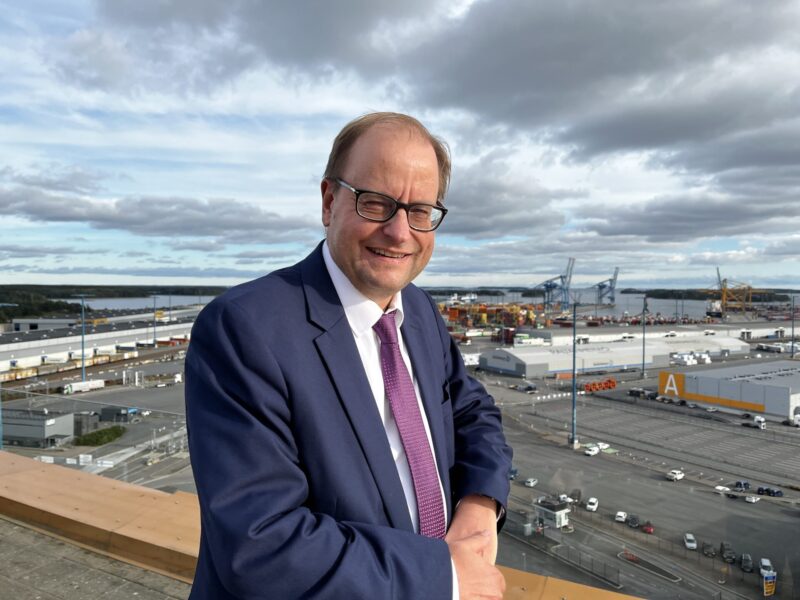
”Today’s customers expect seamless digital services,” says Vesa Vähämaa, Head of Group IT Software at Finnlines.
Evolution of the freight customer experience
The most important changes from the traditional freight customer experience to the digital one relate to time optimisation and error minimisation.
Digital tools such as QR or NFC gate control, which automatically identify drivers, have sped up port visits, improved safety, and streamlined operations. Cooperation is smoother thanks to digital feedback systems, NPS measurement, shared dashboards, and real-time reports on volumes, which together create a digital environment for continuous development and dialogue.
Finnlines’ top-tier solution is its API, a digital fairway that allows different companies’ systems to communicate with each other. “It’s like an automated email exchange that doesn’t require a person in between. Information moves instantly and accurately. And perhaps in the future even enhanced by AI,” says Vesa.
In practice, the API works so that when a transport company’s system makes a booking, the API automatically forwards it to Finnlines’ booking system. As soon as the vessel departs, the departure information and estimated arrival time are sent back to the transport company’s own system. The transport company’s end customers can also track their shipment in real time, making Finnlines’ digital service a seamless part of their overall customer experience.
“Our digitalisation projects have significantly improved and streamlined our operations. Just over a year and a half ago, we had around one million API calls per month, and now we have nearly four million. This growth is not only the result of changes in volumes, but also of the extensive development of new digital solutions,” says Vesa.
A digital customer experience does not mean that the service is cold or faceless. It makes our everyday lives smoother and makes up time for comprehensive services: problem solving, dialogue, data analyses and developing cooperation. “When we succeed digitally, our customers can deliver even better services, and we can help enhance their competitive advantage,” Merja concludes.
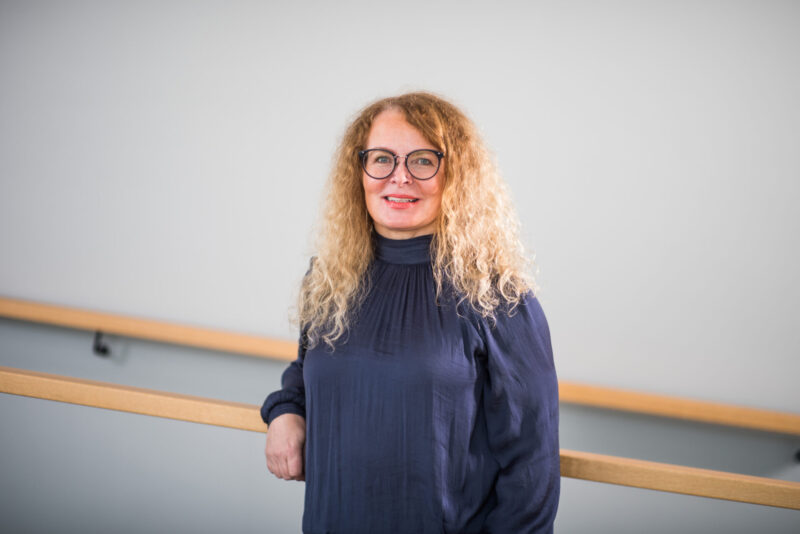
”We develop our services, both our core sea transport services and our digital applications, on the knowledge of our customers´needs,” says Merja Kallio-Mannila, Commercial Director at Finnlines.
Latest digital development projects implemented
- Freight Extranet 2.0: Real-time capacity calculation and up-to-date booking and allotment information, with multilingual support in app.
- Gateway: Smoother 24/7 port visits in Vuosaari, with a self-service lane and mobile apps for trailer drivers. Launching in early 2026.
- SSCI: Self-service check-in for drivers in Finland–Sweden traffic
- Automatic gates onboard and at terminals: Based on unique and encrypted QR access codes.
- Cargo Loader: Loading application used in Finland–Sweden and Sweden–Germany traffic.
- Finnsteve’s eTerminal: Self-service terminal for customers who do not have Gate–Gate agreements.
- Smart locks for cabins: Already installed on six ships. Will enable mobile keys in the future. Based on NFC/RFID technology.
- VESSELERP Crew FrontEnd: Developed to support crew during port calls.
- Medius: Purchase invoice automation system.
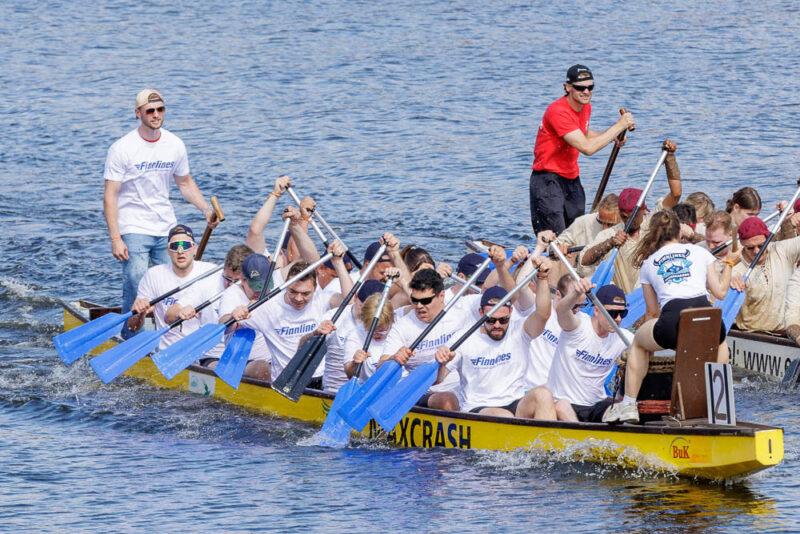
Finnlines Icebreakers raced through the waves of the Trave River

Children’s Day at Work
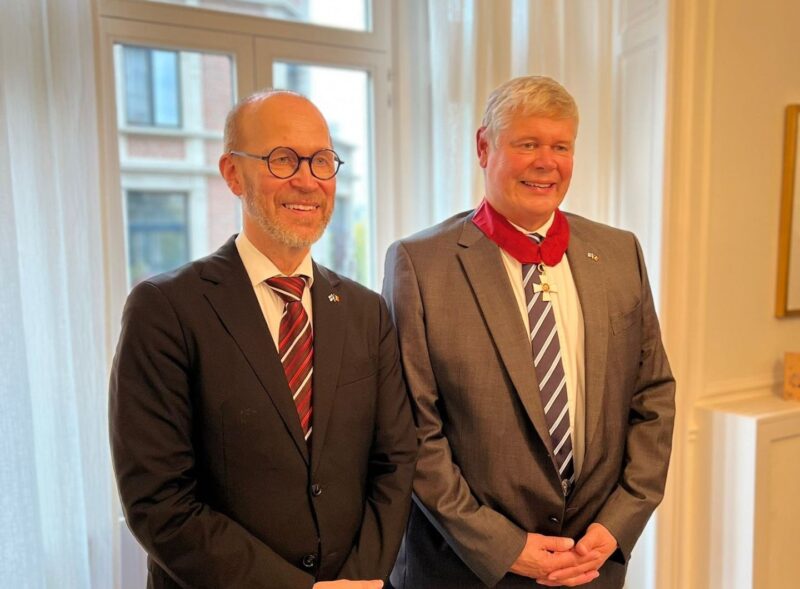
Luc Hens honoured for strengthening Finland–Belgium ties
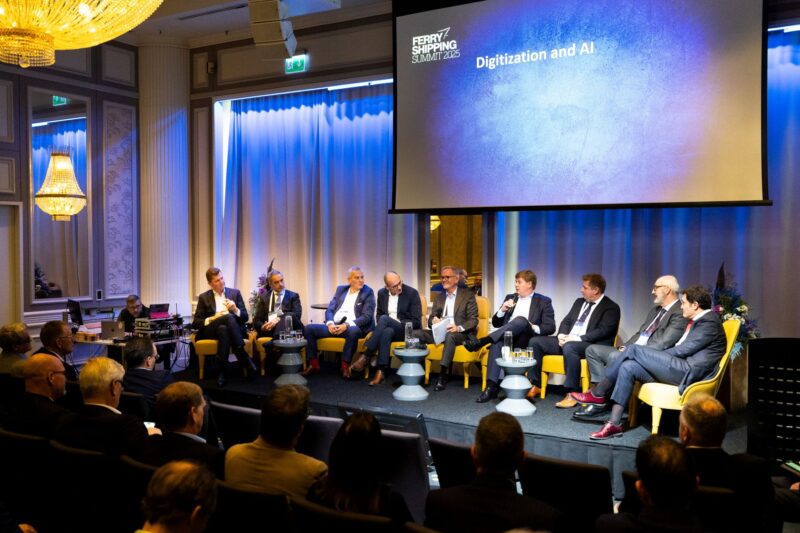
Exploring the future of shipping

Market dynamics in the Baltic Sea
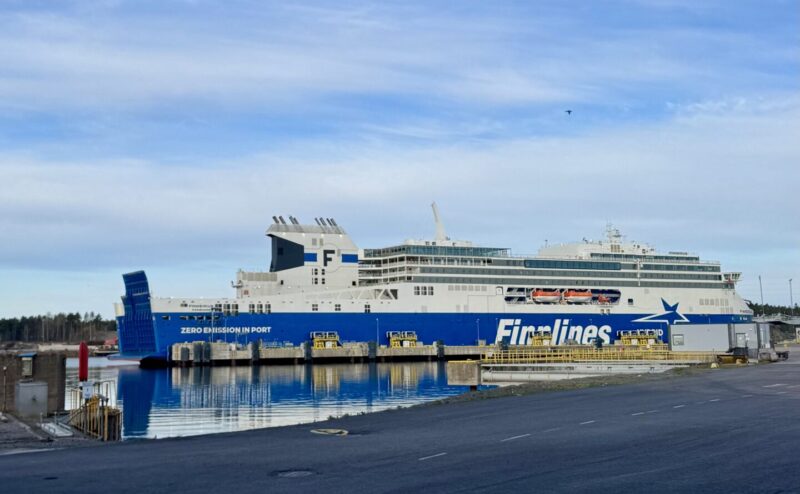
Green News: Shipping’s net-zero ambition delayed: IMO pushes framework decision to 2026
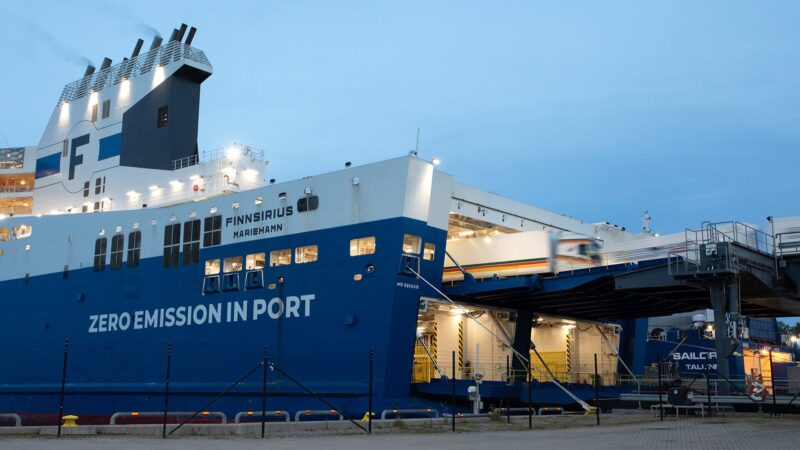
Gateway project drives Finnlines’ digital transformation in port operations

Cruises for those who don’t like cruises
Training for the unexpected
Editorial 3/2025