Finnlines ensures maritime transport in all circumstances
Finnlines’ operating environment is changing rapidly as geopolitical tensions and fluctuations in energy prices shake global markets. Finnlines invests in flexibility and energy efficiency to ensure reliable maritime transport for its customers under all conditions.
More than 90 per cent of the world’s goods are transported by sea, and disruptions in maritime traffic are quickly reflected in industry, trade and consumers. For example, in 2021 hundreds of vessels were stranded in the Suez Canal when a 400‑meter container ship blocked one of the world’s busiest trade routes. Currently, a similar situation is unfolding in the Strait of Hormuz, where the war involving Iran has effectively closed the passage. Around one fifth of the world’s oil passes through the strait. Disruptions are rapidly visible in the energy markets through rising fuel prices and, consequently, throughout the entire transport chain.
The operating environment requires constant adaptation
The current situation is not an exception but part of a longer development. Disruptions and exceptional circumstances have become the new normal.
For Finnlines, the Covid‑19 pandemic was above all an operational challenge. Demand changed shape, passenger traffic came to a halt, and regulatory guidelines were constantly evolving. The importance of freight traffic was emphasised for the functioning of society, and security of supply became a familiar concept to everyone. According to Finnlines’ Commercial Director Merja Kallio–Mannila, ro‑pax traffic proved to be extremely reliable:
“We operated regularly throughout the pandemic, ensuring that maritime transport maintained uninterrupted cargo flows.”

“When energy costs rise, the key factors are energy‑efficient vessels, economies of scale, large capacity and high utilisation rates” – Merja Kallio-Mannila
The geopolitical situation changed when Russia invaded Ukraine in 2022. Finnlines suspended its Russia operations virtually overnight and redeployed its vessels to other routes.
“This required rapid decision‑making and finding new cargo flows to support service regularity and grant our customers access to markets,” Blasco Majorana, Finnlines’ Line Manager states.
The situation led to an energy crisis. Accelerating inflation, a rapid rise in interest rates, and increased energy costs weakened the general economic outlook.
“Rapid decision‑making and finding new cargo flows is needed, and our increased freight capacity and expanded route network is a great example of this” – Blasco Majorana
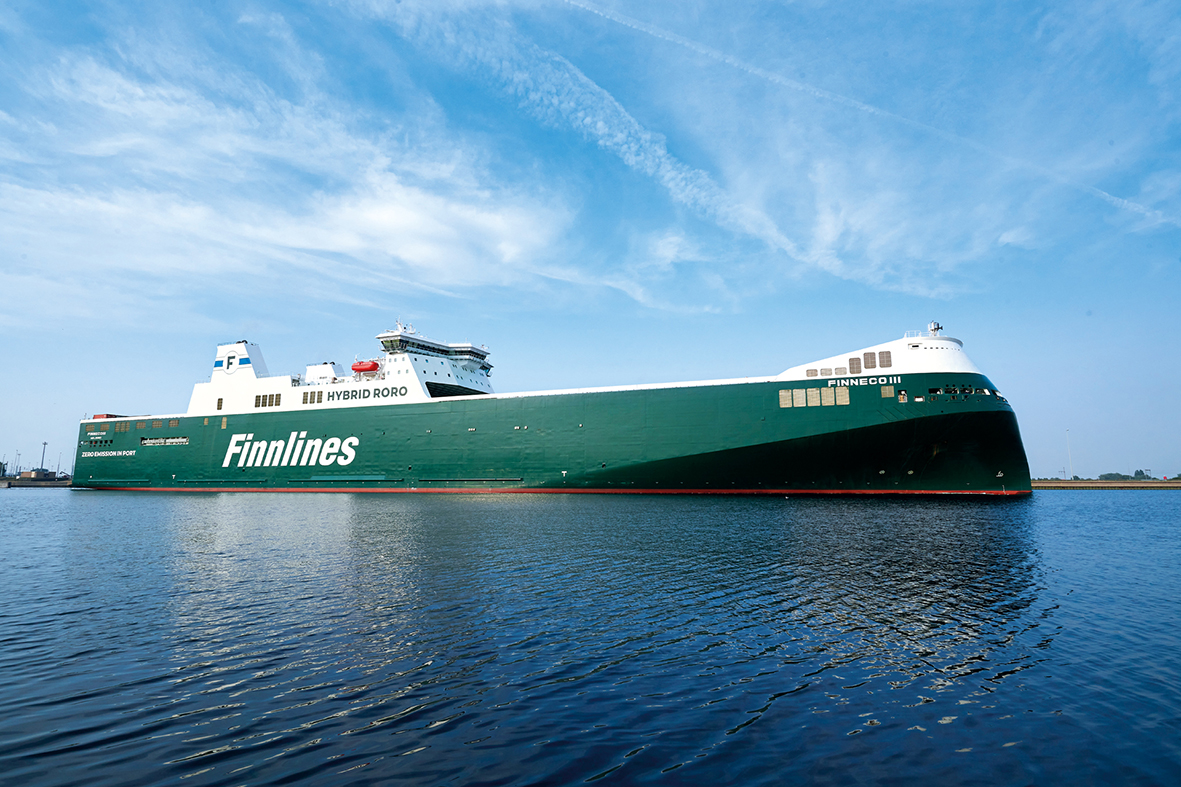
“The situation created cost pressures across the industry, but we nevertheless continued to develop our services as a condition for staying competitive. We increased freight capacity and expanded our route network. The introduction of three new hybrid ro‑ro vessels improved energy efficiency while adding capacity and enhancing economy of scale; at the same time, we also opened an important connection between Ireland and mainland Europe to strengthen our value proposition to the market. Through transshipment in Zeebrügge, this Ireland connection became available to cargo flows from Finland, Poland, UK and Spain,” Blasco adds.
Adaptability ensures reliability
Exceptional situations are always different, but what they have in common is the need to react quickly. For customers, this is reflected above all in operational reliability and continuity of service.
“Our goal is to serve our customers in the best possible way, regardless of the circumstances. This is also demonstrated by several new routes we have launched in recent years, including Rosslare–Zeebrügge, Malmö–Świnoujście, as well as a connection to Sheerness in England,” says Thomas Doepel, Finnlines CEO.
Resilience has become a strategic necessity.
“A changing operating environment, as well as the needs of our customers and partners, require continuous adaptation and the strengthening of resilience on our part,” Thomas continues.

“A changing operating environment, as well as the needs of our customers and partners, require continuous adaptation and the strengthening of resilience on our part” – Thomas Doepel
In the new operating environment, Finnlines’ key role in safeguarding security of supply in the Baltic Sea region is becoming even more pronounced. This is also supported by the company’s ownership structure and extensive network. Finnlines’ owner, the Grimaldi Group, brings additional strength to the operation, and a global route network increases flexibility and room to manoeuvre in changing situations.
Energy efficiency helps control costs
Energy shocks come and go, but long‑term solutions lie in energy efficiency and high utilisation rates.
“When energy costs rise, the key factors are energy‑efficient vessels, economies of scale, large capacity and high utilisation rates. This enables us to significantly reduce emissions and meet the growing demand for low-emission transport,” says Merja.
Energy efficiency and the ability to renew are key drivers of competitiveness. Over the past two decades, Finnlines has ordered or acquired a total of twenty vessels. By investing in state‑of‑the‑art vessels, advanced technologies, and sustainable fuels, the company responds both to regulatory requirements and to customers’ growing demand for low‑emission transport solutions.
Development will continue strongly in the future. Finnlines has ordered three new methanol‑powered vessels, which will enter service in 2028–2029.
“We expect them to deliver significant improvements in energy efficiency and help contain costs. They will also support our customers’ growing need for low‑carbon transport solutions,” says Merja.
In addition to investments, operational development plays a key role. Routes and schedules are optimised, unnecessary sailing is avoided, and onboard operations are increasingly electrified. At the same time, fleet utilisation rates are improved, reducing energy consumption, and in turn, emissions.
The importance of maritime transport extends throughout society. Well‑functioning sea connections are a crucial part of security of supply in Finland and Europe, and their importance is especially emphasised in exceptional situations.
“We connect markets and people and ensure smooth and reliable maritime connections in all circumstances. We make sure that transport for trade and industry runs reliably,” Thomas concludes.
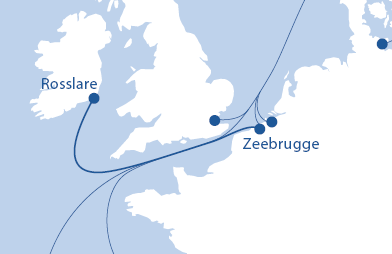
Finnlines boosts capacity on Ireland–Belgium route
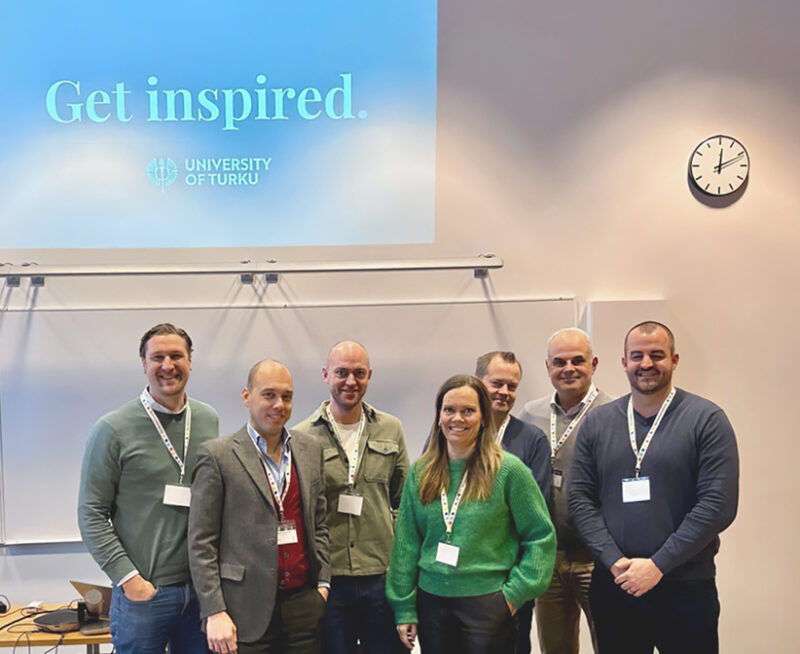
Finnlines invests in people through advanced maritime training
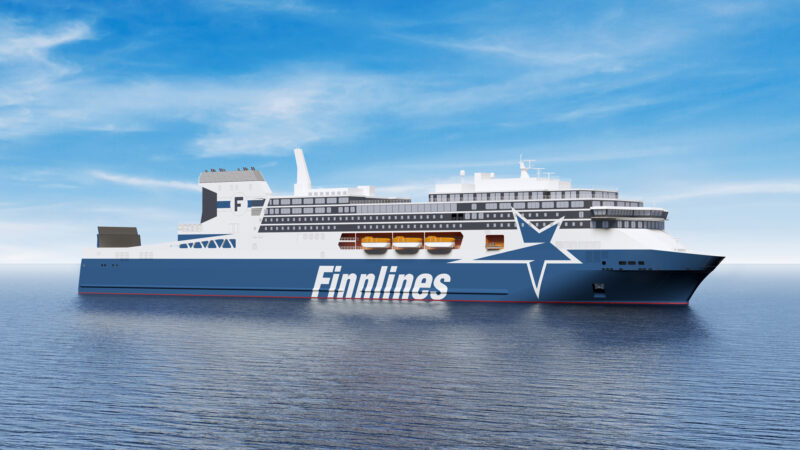
New vessels: building resilience on the Finland–Germany route
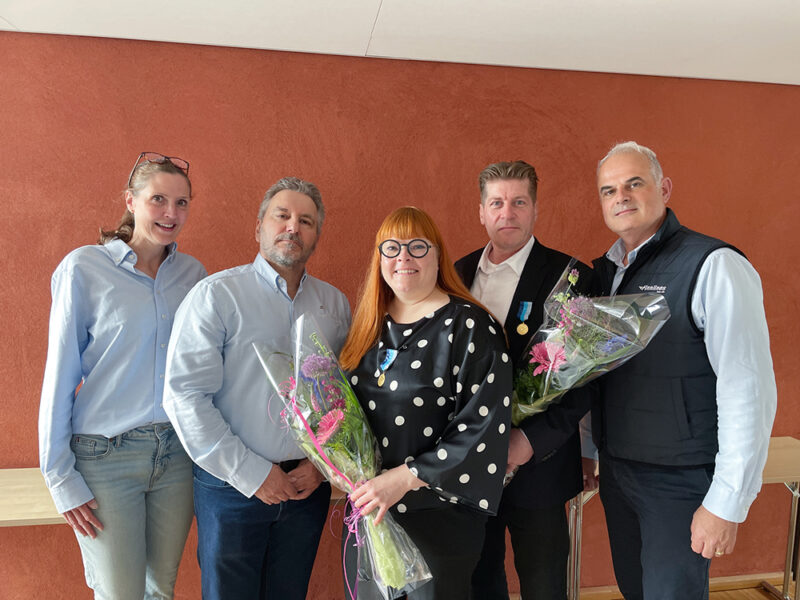
Celebrating our people: seafarers honoured with gold medals
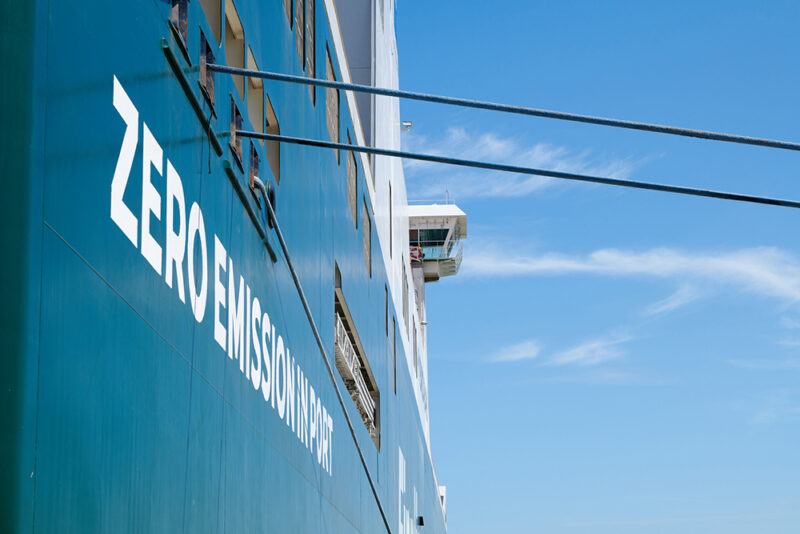
Green News: Efficiency and collaboration are in focus as fuel prices rise

Finnlines earns marketing awards in Finland and Germany
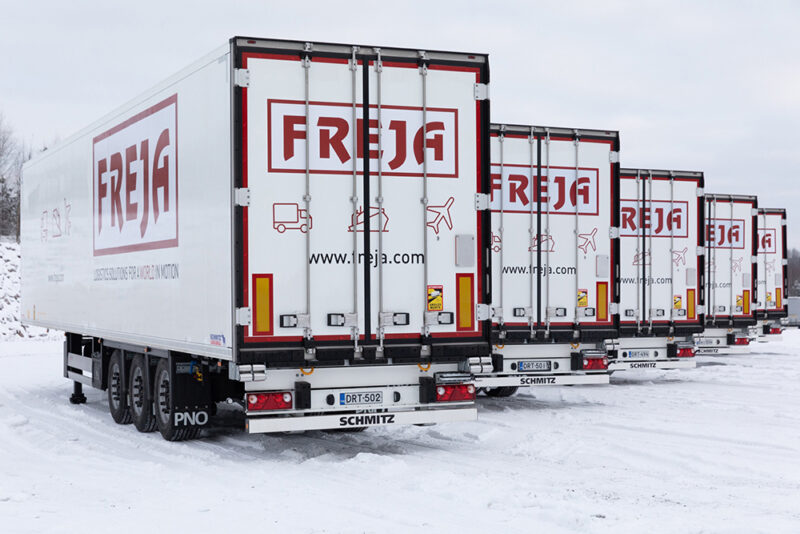
Meet Our Customers: FREJA Transport & Logistics: Driving sustainable and resilient supply chains

Editorial 1/2026
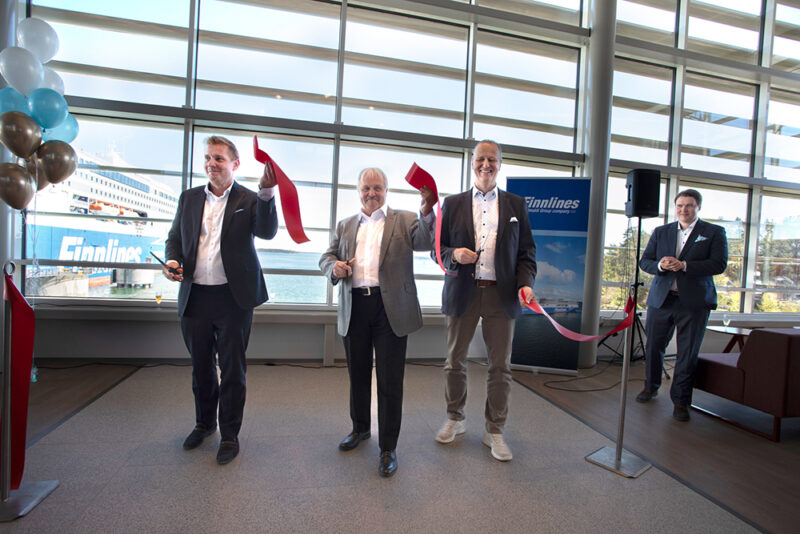
New terminal opened in Långnäs