
GREEN NEWS: Sustainability is a core element of our business. We have done a lot to ensure sustainability and worked hard to reduce our environmental effects. In the future, maritime decarbonisation will bring big changes into our operations and fleet. At the same time, we think small actions can make a big difference on climate change.
Efficiency and collaboration are in focus as fuel prices rise
Maritime fuel prices began rising sharply in March following the escalation of the US–Iran conflict and the closure of the Strait of Hormuz, a key route for global oil supply. The situation led to a rapid increase in bunker fuel costs, driven by higher crude oil prices and growing uncertainty in energy markets. Finnlines has also been affected, with fuel supply costs for its vessels rising significantly.
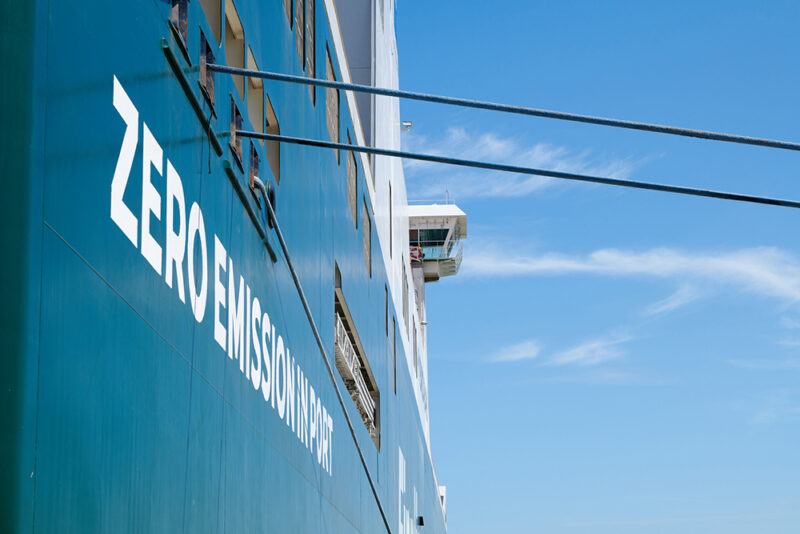
Despite the challenging market conditions, previously implemented measures have helped to soften the impact. Over recent years, Finnlines has continuously optimised its routes and schedules. For example, reducing the port call duration of vessels operating on the Helsinki–Travemünde route from eight to five hours has delivered significant reductions in fuel consumption. Although port operations are already highly optimised, further improvements and smaller adjustments continue to offer opportunities for additional savings.
Our key stakeholders play an important role in improving efficiency. One of the most effective ways to reduce fuel consumption is to lower vessels’ speed at sea, as fuel usage increases disproportionately at higher speeds. Fuel savings can be achieved by improving port operations and enabling vessels to depart earlier than scheduled whenever possible. Even an additional 15–30 minutes at sea can result in substantial reductions in fuel consumption and emissions. This requires first and foremost smooth and timely cargo handling. Customers can further support these efforts by ensuring that cargo units arrive at the port well in advance, helping to avoid delays on departure.
Finnlines’ long-term investments in energy efficiency and the green transition are proving particularly valuable during periods of high fuel prices. The company’s newer vessels are significantly more energy efficient, resulting in lower fuel consumption. In addition, the use of alternative fuels, shore power in ports and onboard battery systems reduces dependence on fossil fuels and helps buffer the impact of fuel market volatility.

Editorial 1/2026
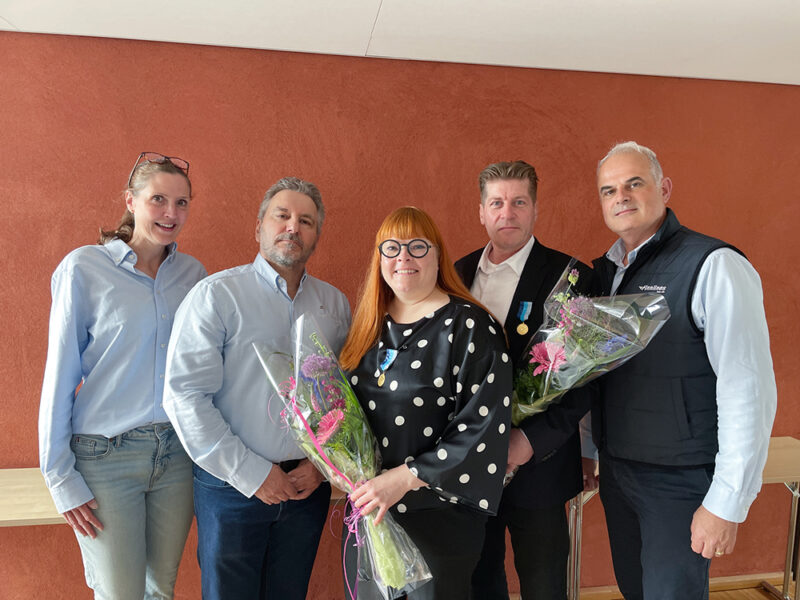
Celebrating our people: seafarers honoured with gold medals
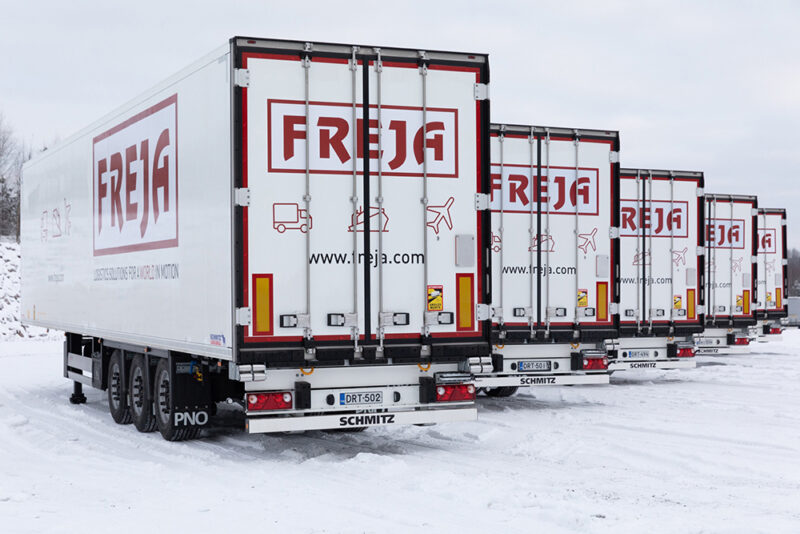
Meet Our Customers: FREJA Transport & Logistics: Driving sustainable and resilient supply chains
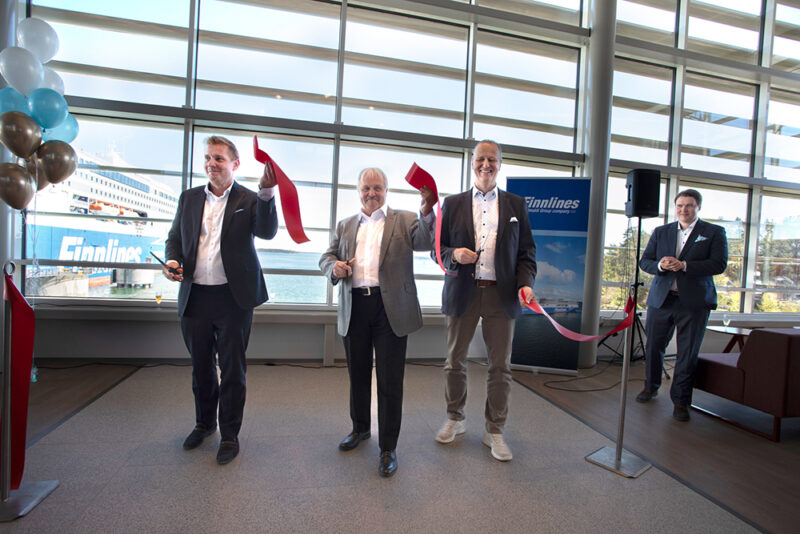
New terminal opened in Långnäs

Finnlines invests in people through advanced maritime training
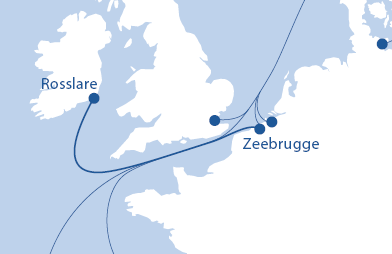
Finnlines boosts capacity on Ireland–Belgium route
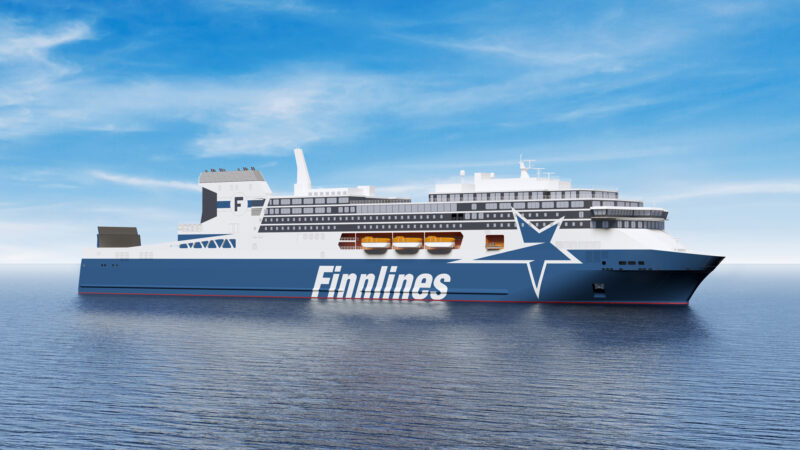
New vessels: building resilience on the Finland–Germany route
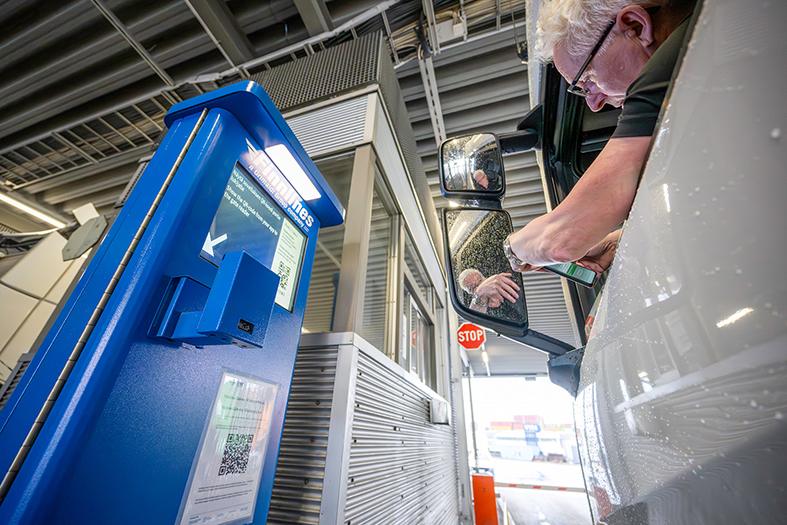
Finnlines’ digital self-service concept, Gateway, is now available
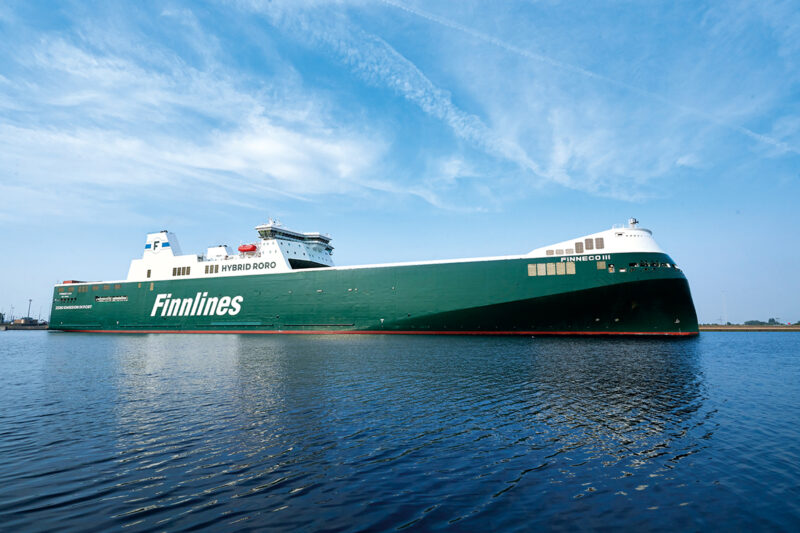
Finnlines ensures maritime transport in all circumstances